01 / Develop
Make the change
Work privately with the interfaces, data and services the product actually needs.

LyteStack gives every project a connected Linux home for building, reviewing and running a digital product. Development, staging and production work as one journey, so changes move forward without putting the live service at risk.
One continuous product journey
The dangerous gap in digital product work is often the hand-off between tools, environments and people. LyteStack gives the whole journey a deliberate shape.
Work privately with the interfaces, data and services the product actually needs.
Let stakeholders explore the working experience in staging instead of approving a static mock-up.
Only approved work advances to the live product through a deliberate release step.
See what is running, make the next change with context and retain a route back when needed.
Far more than hosting
Hosting gives files somewhere to run. LyteStack gives the team one accountable environment and a repeatable way to change the product without gambling on production.
The Lyte product environment
LyteStack keeps a supported combination of independently evolving capabilities working as one product. A public website, an operational application and an API service do not have to pretend they are the same thing.

Connects the environments and chosen capabilities into one operating journey.
Runs the server-side product: routes, people, permissions, data, services and releases.
Creates and composes the interfaces for websites and web applications.
APILyte is being developed for governed API capability; ProjectLyte already demonstrates how focused products can join the environment.
WebLyte authoring, governed AI assistance and a native-app path are the next product directions—not finished self-service features.
What it can power
High-impact content, structured journeys, multisite delivery and server-side capability without hauling in an oversized platform.
Identity, permissions, data and workflows working behind an interface designed around the people who actually use it.
Internet-facing services that share the same identity, data connections and operating model as the application.
The modular model is designed to add focused capabilities when the need is real, without replacing the foundation.
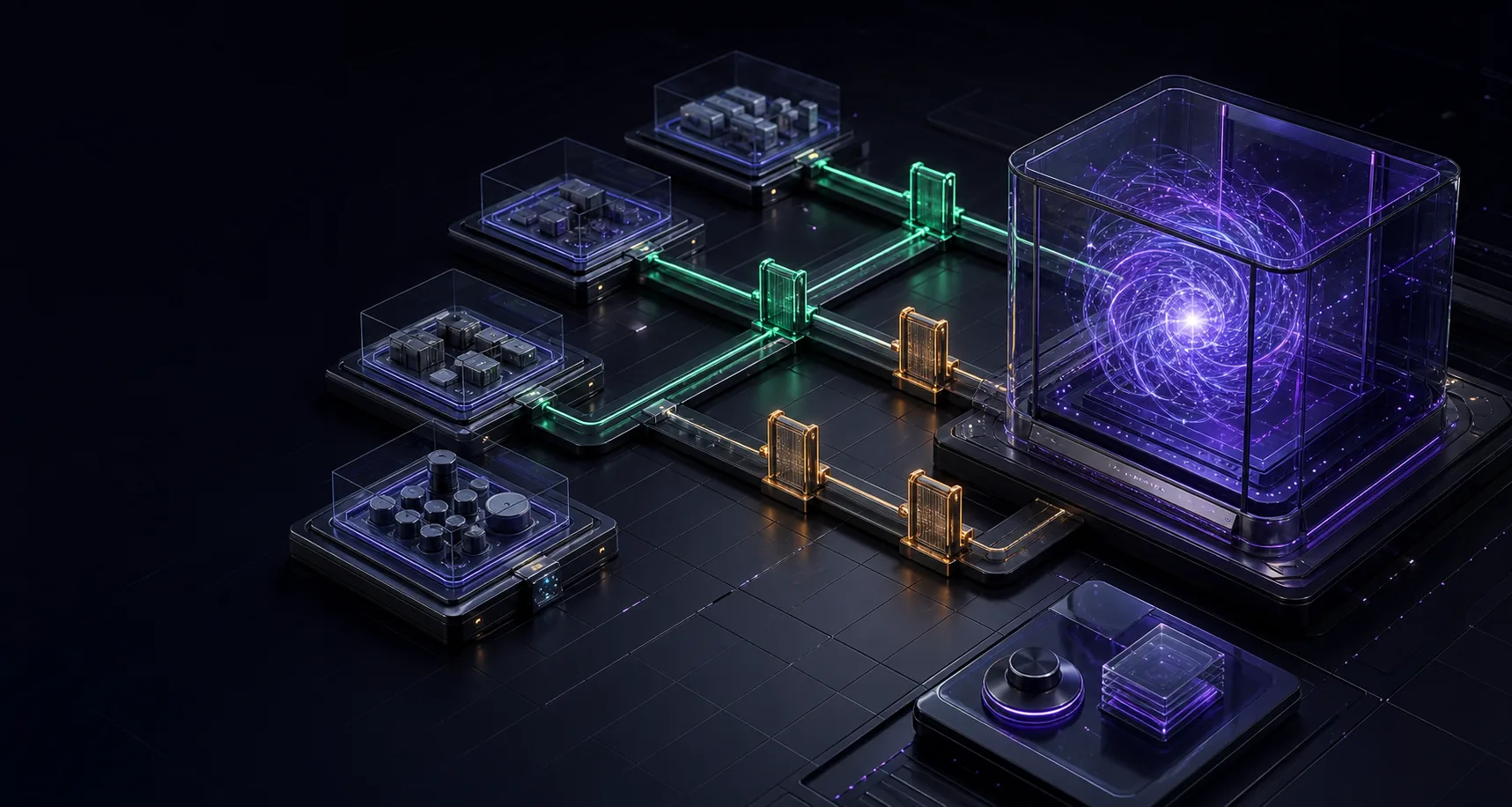
AI with boundaries
The next LyteStack layer is permissioned AI assistance across selected parts of the suite: useful context and approved capabilities, without handing an agent unrestricted control of the live product.
Governed server-side agent access is planned and is not yet a production feature.
my.aiwithash.com combines the current BackLyte runtime with a FrontLyte-composed interface in an operating product. The dedicated Linux deployment and broader suite are now being rolled out from that working foundation.
Straight answers
No. Hosting is one requirement inside a larger product environment. LyteStack defines how the Linux runtime, project deployments, capabilities, release flow and operational controls work together over the product’s life.
Potentially. We first map the current product, data, integrations and release risks, then decide whether migration, gradual adoption or a fresh LyteStack foundation is the sensible route.
No. The point is to compose what the product needs. The environment can start focused and add supported capabilities as the work grows.
The project follows clear development, staging and production roles. Stakeholders review the working experience in staging; approved work then moves through the release process.
We start with the product, its users, current constraints and the first outcome that matters. From there we propose the environment, delivery path and capabilities needed for a useful first release.
Give the product a better way to grow
Tell us what you need to build, who needs to review it, what must stay private and how it should reach production. We will shape the right LyteStack environment around the work.